The first time I refused to inject a patient, she looked surprised, then relieved. She had asked for a frozen forehead because a friend swore by it. But when she spoke, her brows punctuated every sentence, and the lines I saw were the kind that gave shape to her stories, not the kind that defined her age. We scaled back, targeted her tension points, and left her signal lines intact. Two weeks later, she said her face felt like hers again, only better rested. This is the heart of ethical Botox: enhancing without erasing.
What ethical Botox really looks like
Ethical care prioritizes identity and function over millimeter perfection. It starts with transparency and ends with restraint. That means unhurried consultations, a clear explanation of risks and benefits, and a plan that respects how you use your face, not just how it looks at rest. Honesty should cover price, dose ranges, expected duration, and the possibility that we do less today and observe before committing to a full plan.
When we talk about botox transparency explained for patients, we are talking about a plain-language discussion of how neuromodulators work, how dosing relates to muscle strength and not vanity, and why more Botox is not better. A five-minute upsell pitch or a blanket “three areas special” is a red flag. Rushed Botox treatments produce cookie-cutter results, and automation has no place in a face that communicates for a living.
The expectations versus reality gap
Expectations often form from filtered photos and rigid foreheads on screen. Reality is that Botox relaxes muscles, it does not tighten skin or lift bone, and diffusion follows physics, not wishes. Results reach peak effect around day 10 to 14, soften over 8 to 12 weeks, and fade over 3 to 4 months for most people. Some see shorter spans, especially endurance athletes, heavy lifters, or those with high baseline metabolism. “Frozen” is a choice, not a default. The best outcomes protect your expressiveness while smoothing the distracting overuse lines that read as fatigue or stress.
One nuance patients appreciate is movement quality. After thoughtful dosing, the brow can still rise, just with less creasing. The crow’s feet can still crinkle in a photo, with less fan-like spread. If the lower face is treated, the smile should remain symmetrical and strong. Botox for expression preservation is the benchmark, not the exception.
A treatment philosophy: minimal, strategic, staged
Here is the philosophy I have come to trust. First, map the dominant muscles and tension patterns. Second, set conservative goals the first round. Third, stage treatment to minimize risk and give real feedback. Fourth, adjust based on how you express, not only on static photos. Finally, plan maintenance without overuse.
This approach supports patients who want subtle change, as well as expressive professionals who need to keep credibility on camera or in front of a jury, classroom, or boardroom. Think of Botox as a long term aesthetic plan rather than a quarterly habit. That lens curbs dependency and puts you in charge of timing, not the calendar.
The decision-making process, without sales pressure
A proper Botox decision making process asks four questions: what bothers you, what do others notice, what supports your goals, and what can you comfortably maintain? I add a fifth: what should we not touch? Protecting facial character matters. If your brows arch sharply when you question something, we preserve that. If your smile has a slight dimple pattern that your partner loves, we protect that too. Botox preserving facial character is possible when we mark schedule botox injections near me zones that are off limits.
Sales pressure myths often blur this process. You do not need “all three areas” to see benefit. You do not have to start early to “prevent aging.” You can stop at any time. Botox without upselling is not only ethical, it is better for outcomes. The best plan treats the concern you care about and nothing else.
How injectors plan Botox strategically
Planning starts with motion analysis. I watch you speak and animate both spontaneously and on cue. We look for muscle dominance and asymmetry: the brow that climbs higher when you ask a question, the smile that pulls more to one side, the chin that pebbles under stress. We study habit-driven wrinkles from squinting at screens or clenching during deadlines. From there, we build a map.
Botox precision mapping explained means placing micro-doses at points of maximal pull, not dots on a grid. It is routine to vary injection depth between 1 to 4 millimeters depending on the muscle and anatomical plane. Deeper injections tend to limit diffusion and reduce risk of spread into adjacent structures. Superficial injections can target fine orbicularis points around the eye when the goal is softening, not paralysis.
Diffusion control techniques include using the smallest effective volume, slow injection to minimize pressure-driven spread, and avoiding massage in areas where downward drift could cause problems, such as the frontalis near the brow. In practice, a 1 to 2 unit micro deposit can fine tune a dominant side without suppressing the whole muscle. This is micro muscle targeting, not a paint-by-numbers approach.
Planning by zone, with identity in mind
Forehead and brow: The biggest mistake I see is flattening the frontalis uniformly. The frontalis is often stronger centrally than laterally, and it does not exist in isolation. The corrugator and procerus pull down and in. If you treat the frontalis heavily while ignoring the glabellar complex, the brows can droop or the forehead can look heavy. A good placement strategy by zone uses the frontalis to lift and the glabellar units to relax the frown pull. Result: a brow that still communicates, with less strain.
Crow’s feet and under-eye: Orbicularis oculi drives smile lines, but it also supports eyelid function. Over-relaxation can widen the eye in a way that looks startled on camera. I prefer edge feathering at the lateral canthus with conservative units, then see how you smile in photos at follow up before deciding on more. Where volume loss drives creasing, neuromodulator alone cannot correct, and honest Botox consultations matter in explaining that.
Bunny lines and nose: Some people overuse the nasalis in speech, creating strong diagonal lines at the bridge. Two to four units per side often suffice. Too much can affect upper lip mobility, so again, restraint.
Upper lip and gummy smile: Here the risk-reward calculation is delicate. Tiny doses to the levator complex can lower gum show, but we protect enunciation for broadcasters, teachers, and performers. For camera facing confidence, we trial micro-doses and reassess on video two weeks later.
Chin and jawline: Pebbling in the chin comes from mentalis overactivity. Small, deep injections smooth the skin without blunting lower lip strength. Masseter Botox for clenching related aging serves function and aesthetics. Lower doses maintain bite strength while slimming the angle over time. For people with jaw tension aesthetics concerns, we stage treatment and warn that night guard use and posture also affect outcomes.
Neck bands: Platysmal bands respond to carefully spaced vertical deposits. In thin necks, low doses preserve swallow and neck contour. If the goal is a smoother jawline, we coordinate with skin tightening and consider that Botox alone cannot alter laxity.
Dominant side correction and uneven movement
Faces are not symmetrical. The right side often dominates if you are right-handed, from squinting and speaking patterns to chewing bias. Botox for uneven facial movement means dosing asymmetrically on purpose. If one brow spikes, we settle it with a touch more on that side or hold the other side to lift balance. If a smile lifts higher on the left, we soften the levator on that side a hair more. Dominant side correction requires follow up and touch-ups in the 1 to 3 unit range. Those micro-adjustments keep character while aligning the frame.
Habit, tension, and the modern face
Digital aging is real. Hours of screen time drive frown lines and a tight jaw. I see stress induced asymmetry from late-night clenching and posture related facial strain from laptop work. Botox for stress related facial lines can help, but it is not a standalone fix. When I treat the glabella in high-pressure professions, I also coach environment changes: screen height, micro-breaks, and soft focus routines. The goal is less overuse, not simply less movement.
Expressive professionals, from trial attorneys to on-air hosts, need Botox for high expressiveness that preserves nuance. We treat overuse lines, not punctuation lines. A news anchor told me her eyes looked “too calm” after heavy crow’s feet treatment elsewhere. We reversed course by letting some lateral orbicularis movement return as the product faded, and then re-approached with a lighter feather. Botox and emotional expression balance is a moving target. Plan for feedback loops.
Artistry, restraint, and why injector experience matters
Anyone can learn injection points in a weekend. Reading a face takes years. Injector restraint is not about being timid. It is about recognizing that your first pass sets the tone for the next two or three years of maintenance. Over-treatment today often begets more corrections tomorrow. Ethical Botox means you might hear “not today” or “less this round.” It also means saying no to templates. Botox customization vs standard templates is not marketing language, it is the only way to keep a face human.
Experience shows in correction work too. I see patients after rigid protocols that erased their lateral brow lift or gave them a flat smile. Recovery is possible, but it takes patience. The muscle recovery timeline after discontinuation ranges from 8 to 16 weeks for most facial muscles. Heavier dosing can take longer to unwind. During reset periods, expression gradually returns. We then rebuild a more conservative plan.
Depth, dose, and diffusion explained for patients
Patients often ask about “units” as if they are interchangeable by injector or brand. Units are not a universal currency across products. They are consistent within a brand. This is why transparency about product and dosing botox injections MI matters. Injection depth explained simply: deeper into the belly of the muscle gives targeted effect with less surface spread. Superficial placement can be useful for fine creases but carries more diffusion risk if the target layer is not correct.
Diffusion control techniques include smaller volume per site, slower injection, and thoughtful point selection. Cold packs can reduce post-injection vasodilation, which may slightly affect spread in some regions. We avoid pressure and massage unless needed to smooth a bleb. And we keep at least 1 to 1.5 centimeters away from the brow margin when treating the frontalis to protect lift, adjusting with anatomy.
Prevention, correction, and maintenance without dependency
Prevention and correction are not the same timeline. Prevention targets repetitive micro expressions before lines etch at rest. Correction targets lines already cut into the skin. The former can work with lighter, less frequent dosing. The latter may need more units and adjunctive care such as skin remodeling or filler in specific cases. Either way, Botox maintenance without overuse keeps spacing at 3 to 4 months at most, and often longer once patterns calm.
People worry about dependency. There is none in the physiological sense. You can stop safely at any time. After discontinuation, movement returns naturally as the neuromodulator clears and the nerve endings reconnect. Most people notice gradual returning movement starting around week 8, with baseline function by month 4 to 6. If you want a facial reset period, we plan it for a season that fits your calendar, then reassess with fresh eyes.
Consent beyond paperwork
Consent is a conversation, not a signature. It includes risks like eyelid or brow ptosis, asymmetry, smile changes, dryness, headache, and rare adverse events. It covers alternatives such as skincare, lasers, sleep, stress management, and not treating at all. It clarifies that goals may change over time, and that your identity is non-negotiable. Botox informed decision making empowers you to ask for a lighter hand, to say no to add-ons, and to space visits as you wish.
Signs of rushed Botox treatments are easy to spot if you know them. A drive-through consult with no expression analysis, templated dosing, no discussion of muscle dominance, pressure to add areas to “balance” the face when you did not ask, and no plan for follow up. Red flags matter because they foreshadow outcomes that look manufactured rather than human.
Patients who want subtle change
Many of my favorite outcomes barely register in photos. A teacher who stopped getting midday tension headaches after we treated her glabella and frontalis with a conservative split. A founder who speaks on stage, whose brow still lifts with emphasis after softening his frown lines. A violinist whose chin dimpling vanished without any change to her embouchure. Botox for people afraid of injectables begins with tiny test doses and staged treatment planning. High trust, slow pace.
The minimal intervention approach does not just apply to the first visit. Over time, we sometimes skip areas that look calm. I call this the quiet scan. If a zone has been stable for two cycles and does not read as fatigue or stress, we leave it alone and direct resources to what you actually notice. Botox over time vs one session respects the fact that faces change with seasons, workload, and sleep. Your plan should shift too.
The psychology of confidence and social perception
There is a reason small changes can feel outsized. Social perception is built on micro-expressions that happen in under half a second. Smoother frown lines can reduce unintended signal of frustration or worry, especially on camera. For public facing careers, Botox can ease the mismatch between how you feel and how stress etches your face during high frequency interactions. The aim is self image alignment, not transformation. I tell patients, if someone says you look rested rather than asking what you did, we hit the mark.
When to start, when to wait
Timing depends on pattern, not age. Some people with strong brow muscles develop resting lines in their late 20s, others not until their 40s. Starting later vs earlier both work with the right plan. If lines appear only with expression and you like your expressiveness, wait and observe. If your baseline look reads tired even after sleep, a few units in the right places can help. If life feels unstable, it is fine to defer treatment. Botox sustainability in aesthetics means it should fit your life, your budget, and your values.
Practical examples from the chair
A project manager with screen related frown lines: We mapped five points in the glabella with conservative dosing and feathered two micro points in the central frontalis. We skipped the crow’s feet. She reported fewer end-of-day headaches and a lighter brow feel. Movement returned at week 10, and we repeated at month four with the same plan.
A lawyer with a dominant right brow: Video analysis showed a consistent spike on the right when she questioned a statement. We placed a slightly higher dose on the right lateral frontalis and held the left. We added minimal glabellar treatment. Two-week check showed balanced lift without flattening. She kept full range for argument and cross.
A designer with jaw tension and clenching related aging: We staged low-dose masseter treatment, 20 to 25 units per side depending on brand, watched for chewing fatigue, and added breath work and a night guard referral. At three months, she reported less morning pressure and a subtle softening of the angle, not a drastic change. We maintained every five to six months.
Education before treatment
Botox education before treatment is not a slideshow of before and after photos. It is a short, clear explanation of how your face moves, what we aim to change, and what we will not change. It should cover dose ranges in plain terms. For instance, a glabellar complex might take 10 to 20 units depending on strength. A frontalis may need 4 to 14 units spread in a pattern that respects your hairline and brow shape. The more you understand, the better decisions you make, and the more subtle your result can be.
Two quick checklists for patients
Pre-consult questions to ask:
- How do you analyze facial movement, and how will that shape my plan? What is your approach to dosing for muscle dominance or asymmetry? How do you handle follow up and touch-ups? What are the most common side effects in the areas I am considering? Can we start with less and build gradually?
Red flags in a consult:
- No movement analysis while you speak and emote One-size-fits-all area packages with no rationale Pressure to add areas you did not request No explanation of depth, diffusion, or risks No plan for asymmetry correction or follow up
Stopping, starting again, and staying independent
Patients sometimes pause for pregnancy, budget, or preference. Stopping safely explained comes down to patience. Movement returns steadily. The face does not “age faster” because you stopped. What you might notice is the reappearance of lines that were held back while treated. After a break, I prefer a lighter restart. We reevaluate which zones truly need attention. Botox and treatment independence means you own the off switch and can choose seasonal or event-based care rather than a fixed schedule.
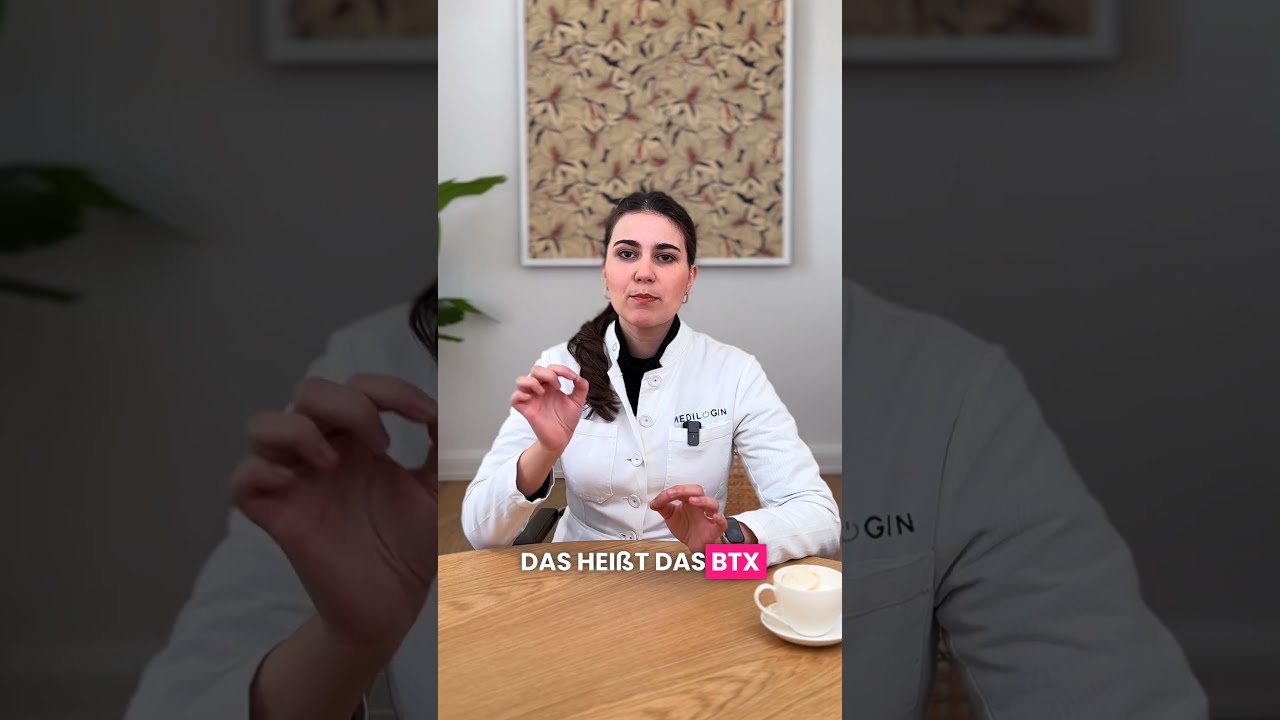
For some, a pause functions as a facial reset period. It can recalibrate what feels natural. You might find that a single area, such as the frown complex, delivers most of the benefit. That leanness builds sustainability: fewer units, fewer visits, better alignment with your goals.
Why less is often more
Faces tell stories. The goal is to remove noise, not silence the narrative. Why more Botox is not better has a few simple reasons. High doses can unmask odd compensations, such as recruiting the nose to lift the upper lip or over-activating the depressors when elevators are suppressed. Heavy treatment increases the chance of asymmetry when one side clears faster than the other. And large doses can produce a sameness across faces that flattens age, culture, and personality.
Injector philosophy is visible in outcomes. If you consistently see shiny, motionless foreheads and held smiles, expect the same on your face. If you see nuance and micro movement in photos and videos, that is a sign of restraint, strategic dosing, and respect for identity.
A final word on identity
Your face carries your habits, your work, your humor, your stress, and your rest. Botox can lighten the load in the places that carry too much, ease the grip of muscles that work overtime, and refine the signals you send in meetings, on stage, and at dinner. Done well, it is quiet. It changes the way you feel before it changes the way you look to others. That is the mark of Botox and natural aging harmony.
If you decide to explore treatment, look for a conversation that feels like co-design. Ask for a plan that starts small, adapts to your dominant side, and protects your favorite expressions. Demand clarity on dose, depth, and diffusion. Schedule follow up for fine tuning. And keep the right to say, let’s leave that part alone. Enhancing without erasing only works when your identity stays at the center of the map.